comprehensive behavioral health support for copyright Clinic Norfolk
Sympathetic Substance Use Support: Seek Your Journey to Recovery
A compassionate addiction treatment provides a nuanced method to healing. It emphasizes empathy and understanding, recognizing the complex emotional roots of dependency. This method creates a supportive environment, motivating people to confront their challenges. Incorporating comprehensive wellness techniques can enhance resilience and motivation. However, concerns persist about the efficacy of peer assistance and research-backed approaches. What elements genuinely aid to a successful recovery journey? Examining these aspects uncovers deeper insights into compassionate care.
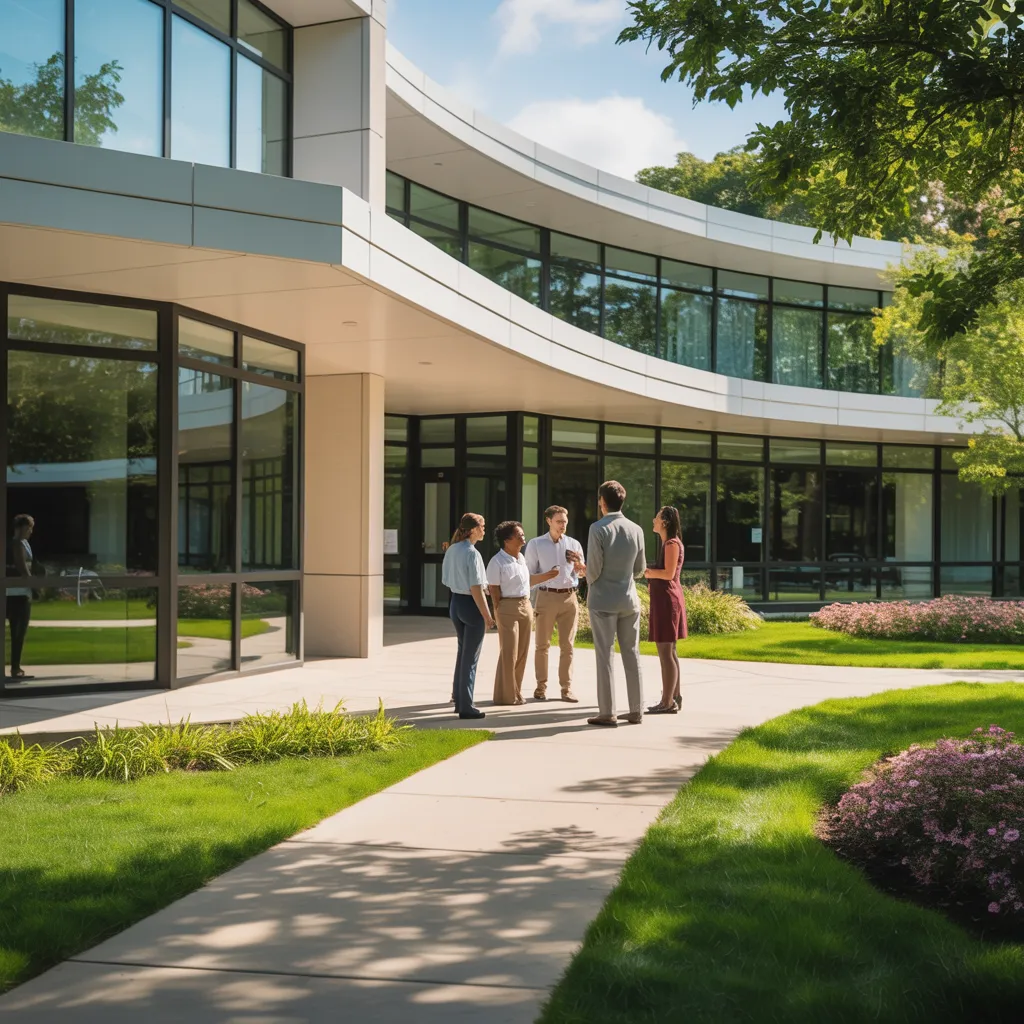
How Compassionate Chemical Dependency Care Functions and What Advantages Can It Provide You?
What renders empathetic recovery programs an vital approach for those working toward sobriety? This system prioritizes emotional awareness and recognition, recognizing that addiction is often stemming from complex emotional and psychological issues. Unlike traditional methods that may concentrate exclusively on abstinence, supportive therapy cultivates a supportive environment where patients feel comfortable to address their struggles.
By adopting strategies that highlight psychological wellness, patients are more inclined to engage actively in their therapeutic process. This strategy not only addresses the somatic signs of addiction but also encourages healing of underlying traumas, reducing sense of embarrassment and disconnection.
Additionally, compassionate substance abuse recovery often incorporates comprehensive wellness techniques, such as meditation and stress management, supporting recovery further. Ultimately, this person-centered approach enables individuals to reclaim their lives, develop strength, and create better stress management strategies, making it an crucial option for those pursuing lasting change.
Compassion Fundamentals That Support Recovery
How can empathy revolutionize the recovery process for people battling addiction? Compassion acts as a vital component in fostering a supportive environment for recovery. By understanding the emotional and psychological struggles of those affected by addiction, treatment providers can customize their approaches to address individual needs. This individualized care builds trust, making people feel appreciated and heard.
Empathy concepts encourage open communication, allowing individuals to express their sentiments without dread of condemnation. Such an atmosphere can markedly decrease sense of loneliness, promoting a feeling of community. In addition, empathetic interactions can help individuals recognize their fortitude and strength, cementing their commitment to commit to restoration.
How Peer Help Contributes to Compassionate Addiction Therapy
Why is group assistance critical to enhancing humane recovery programs? Collective backing functions as a vital foundation in the treatment process. It nurtures a sense of belonging, helping individuals to communicate with others who hold matching struggles. This attachment can mitigate waves of loneliness often characteristic of addiction, bestowing mental sustenance and resolve.
Support collectives, community initiatives, and mentorship relationships present proven techniques and coping tools, equipping people to handle their recovery path more efficiently. Moreover, community engagement reinforces accountability, as members maintain a sense of duty to their personal goals and their companions.
Furthermore, mutual interactions within a supportive network can generate pooled resources, increasing access to care alternatives and holistic practices. Ultimately, collective assistance not only enables emotional healing but also solidifies the faith that recovery is feasible, fostering a caring space where individuals can flourish on their path to recovery.
Overcoming Prejudice in Compassionate Substance Abuse Care
Community backing plays an important role in handling the stigma pertaining to addiction, which can prevent individuals from obtaining help. Social judgment often sparks emotional pain and solitude, discouraging those struggling with addiction from reaching for help. By promoting an milieu of understanding and empathy, communities can help dissolve these negative perceptions.
Education is crucial in this initiative; educating the public about addiction as a complicated medical condition rather than a character flaw can change attitudes. Support groups and community-based organizations also act as spaces for sharing personal stories, which humanize the struggle and highlight recovery successes.
Nurturing open conversations about compulsive behavior can generate a culture of acceptance, making it more accessible for folks to obtain the compassionate treatment they require. Through collective efforts, communities can contribute to a improved support network, ultimately promoting recovery and reducing stigma for those affected by behavioral disorders.
Evidence-Based Solutions to Humane Addiction Treatment
While addiction treatment options differ, see more research-supported methods are crucial for ensuring effective and compassionate care. These methods rely on research findings and clinical studies to identify the most successful treatments for people battling substance abuse. Standard research-backed methods encompass cognitive-behavioral therapy (CBT), motivational interviewing, and reward-based reinforcement, each created to address the unique challenges of addiction.
Furthermore, drug-supported therapy (MAT) has gained recognition for its capacity to aid recovery while minimizing withdrawal effects. By combining these methods, treatment programs can offer customized treatment that honors individual experiences and needs.
Furthermore, systematic assessments and modifications based on patient input help sustain engagement and progress. This dedication to leveraging established techniques not only elevates recuperative achievements but also cultivates a empowering environment where individuals feel honored and acknowledged. Consequently, research-informed strategies play a fundamental role in promoting enduring healing and improving comprehensive well-being.
How to Start Your Voyage in Sympathetic Substance Treatment?
How can a person begin their path toward compassionate substance abuse recovery? The initial phase involves recognizing the necessity for assistance, which can be intimidating yet liberating. Seeking help from friends, family, or professionals can offer encouragement and guidance. People should explore different treatment options, such as therapy, peer support networks, and comprehensive methods that stress compassion and understanding.
Next, getting in touch with a healthcare expert or addiction specialist is important for evaluating the individual's needs and creating a personalized treatment plan. This plan may incorporate evidence-based practices combined with caring care to manage both the psychological and psychological aspects of addiction.
Ultimately, individuals should remain open to change and copyright a dedication to their recovery. Building a supportive network and engaging in wellness activities can enhance this journey, fostering strength and hope. By implementing these first actions, one can embark upon a route toward healing and lasting recovery.
Frequently Requested Queries
What Credentials Ought I to Look for in a Empathetic Treatment Provider?
A empathetic service provider should possess relevant credentials, proficiency in addiction support, a powerful empathetic stance, and a commitment to evidence-based practices. Additionally, they should demonstrate cultural understanding and a caring, objective demeanor to patients.
How Much Time Does Compassionate Addiction Treatment Generally Require?
Compassionate addiction care typically lasts 30 days to several months, dependent on individual needs and progress. Factors shaping duration include the intensity of addiction, co-occurring disorders, and the treatment approach utilized.
What Costs Are Related to Compassionate Addiction Treatment Programs?
Charges tied to caring substance abuse treatment initiatives can range widely. Determinants shaping costs include the program's length, location, and programs offered. Many organizations also present financial support or adjustable payment structures to address varied economic circumstances.
Is it feasible to engage in Compassionate Treatment While balancing My Job or Education?
Yes, individuals can participate in compassionate treatment while keeping their employment or education. Many initiatives provide flexible schedules, enabling attendees to balance their responsibilities while obtaining the required assistance for recovery and personal growth.
What Might I Do if I Relapse During Recovery process?
If a relapse happens during treatment, it is necessary to accept the difficulty without self-judgment. Getting support from counselors, individuals, or support groups can facilitate in recognizing patterns and refocusing on the journey of healing.