your guide to Opioid Recovery Norfolk
Top-Tier Substance Recovery Programs: Kickstart Your Wellness Journey
Effective drug rehab programs serve an essential role in recovery. They offer organized settings customized to individual needs. With a focus on individualized care and scientifically-proven treatments, these programs address the intricacies of addiction. Support systems and comprehensive approaches further enhance the recovery experience. Recognizing what to expect from these programs can be significant for those seeking a fresh start. What key elements contribute to long-term success in recovery?
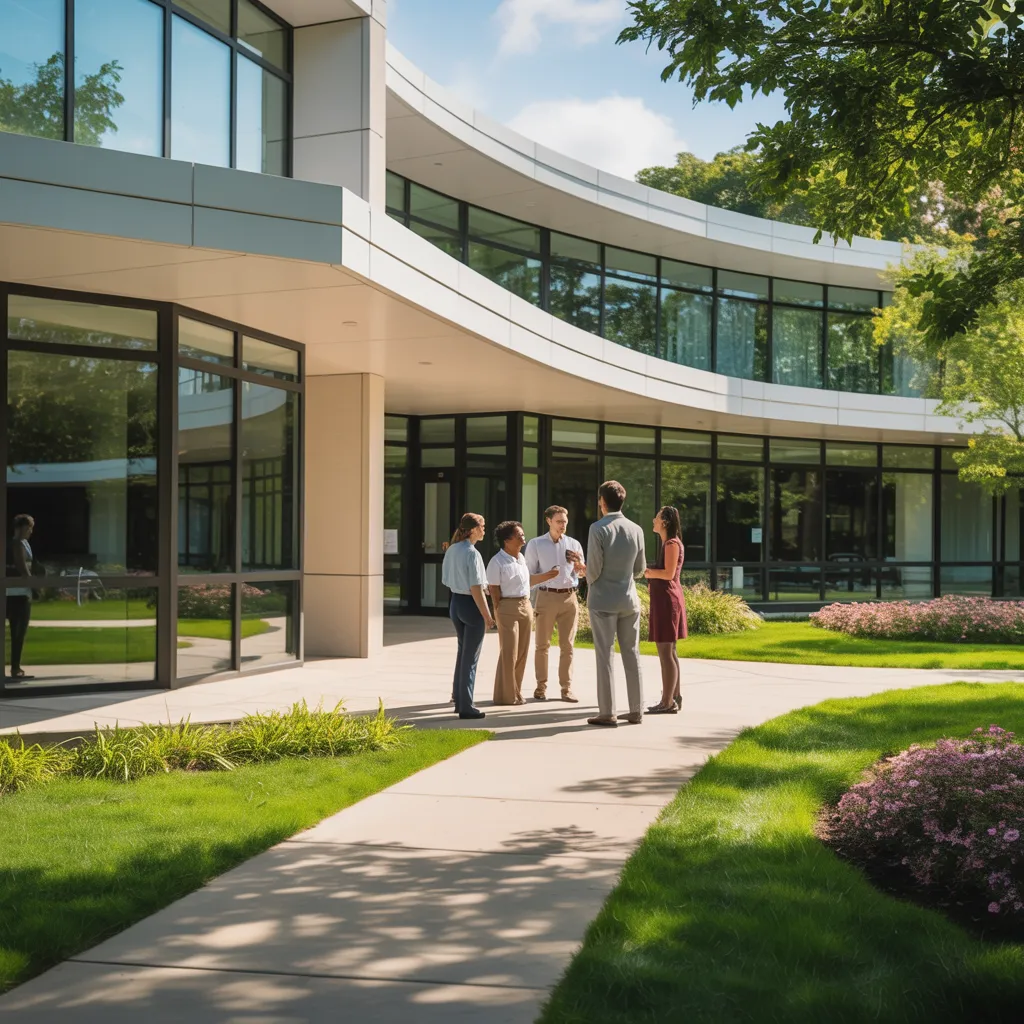
Understanding Why Treatment Facilities Are Critical
Drug treatment centers matter significantly because they deliver necessary help and regulated spaces for individuals facing substance use disorders. These services emphasize handling the complicated nature of chemical dependency, delivering a blend of medical, psychological, and social support adapted to each client's particular requirements. They establish a supportive setting where persons can complete the detox process, access counseling, and create coping mechanisms, enabling them to handle the fundamental problems fueling their substance use.
Furthermore, rehab programs create a feeling of belonging, connecting participants with fellow members who share similar experiences. This mutual support not only combats sense of loneliness but also promotes accountability and motivation. By utilizing scientifically-proven methods and comprehensive strategies, these programs meaningfully enhance the chance of sustained healing. Overall, drug rehab programs are essential to ending the cycle of addiction, enabling people to take back their lives and pursue better tomorrows.
Important Considerations for a Successful Rehab Program
People beginning a accomplished rehabilitation program can experience a thorough and regulated framework to recovery. These programs typically begin with a elaborate analysis to determine distinct needs and issues. Following this assessment, participants partake in a selection of therapeutic modalities featuring individual counseling, group treatment, and educational sessions about addiction.
A supportive environment is a hallmark of effective rehab, fostering confidence and fellowship among participants. Clients can anticipate regular monitoring of their progress, which helps to pinpoint areas for improvement and recognize milestones.
Holistic methods including mindfulness and physical activities frequently complement traditional therapies, promoting overall well-being. Additionally, aftercare planning is vital, ensuring individuals have resources and support systems in place for their transition back into daily life. This systematic approach is created to equip individuals with the tools and strategies necessary for enduring healing.
Core Elements of Personalized Therapy Programs
Individualized recovery strategies are essential for successful drug rehabilitation, as they cater to the unique needs of each patient. A comprehensive assessment process ensures that therapists can identify specific challenges, while customized therapy options deliver tailored therapeutic approaches. Additionally, ongoing support systems are crucial in sustaining sobriety and preventing setbacks.
In-Depth Assessment System
An thorough review process is essential for formulating successful treatment plans within drug rehabilitation. This assessment starts with a in-depth examination of an individual’s medical background, substance use trends, and psychological well-being. Interviews and standardized assessments are performed by trained professionals to collect extensive data, making certain that all relevant aspects are considered. This information not only identifies the severity of addiction but also highlights co-occurring mental health issues. In addition, the assessment supports identifying the person’s social support systems and preparedness for change, both of which are key to customizing interventions. Finally, review article a thorough evaluation stands as the cornerstone for personalized treatment approaches, boosting the probability of effective recovery and enduring sobriety.
Individualized Treatment Alternatives
How can treatment be tailored to meet the unique needs of each person in recovery? Individualized therapy options play an vital role in successful drug rehabilitation. By assessing a person’s specific circumstances, including their history, preferences, and psychological profile, treatment plans can be tailored. Techniques such as cognitive-behavioral therapy (CBT), dialectical behavior therapy (DBT), and motivational interviewing can be selectively employed to tackle varying issues. Incorporating holistic approaches—such as art therapy, mindfulness, or group sessions—can further improve engagement and healing. Regular reassessments ensure that the treatment remains consistent with the individual’s changing needs. Ultimately, personalized therapy promotes a sense of empowerment and ownership over the recovery process, greatly improving the chances of lasting success.
Perpetual Service Frameworks
Developing solid ongoing support systems is important for individuals in rehabilitation from addiction issues. These networks provide a safety net, cultivating accountability and connection to individuals who have similar experiences. Peer support groups, such as Alcoholics Anonymous or Narcotics Anonymous, deliver a communal environment that promotes open dialogue and psychological assistance. Additionally, ongoing therapy sessions can assist people address underlying issues and develop stress management techniques. Familial participation is also essential, as it reinforces relationships and fosters a supportive home environment. Regular check-ins with medical professionals guarantee that treatment plans stay relevant and successful. By integrating these elements, persistent support networks establish an comprehensive framework that enhances the probability of sustained recovery and personal growth.
Successful Clinical Methods for Wellness
Effective scientifically-supported treatments play an essential role in the recovery journey for individuals struggling with addiction. These treatments are grounded in scientific research and clinical practice, guaranteeing their effectiveness. Cognitive Behavioral Therapy (CBT) is one prominent approach, helping individuals identify and change negative thought patterns that lead to substance use. Motivational Interviewing (MI) also proves advantageous by enhancing a person's motivation to change, facilitating a deeper commitment to recovery.
Additionally, Contingency Management (CM) uses reward systems to promote sobriety, providing tangible rewards for passing clean drug tests. Dialectical Behavior Therapy (DBT) addresses emotional regulation and interpersonal skills, supporting those with co-occurring disorders. By incorporating these evidence-based therapies, treatment programs can develop tailored approaches that address the specific needs of each individual, thereby enhancing the likelihood of sustained recovery. Ultimately, the integration of these therapies forms a solid foundation for long-term healing and personal growth.
How Support Systems Improve Recovery
Support networks play a key role in the recovery process from drug dependency. Peer support networks offer mutual understanding, while family engagement can deliver emotional stability and motivation. Additionally, professional support guarantees that individuals obtain the essential resources and approaches for sustained recovery.
Peer Guidance Networks
Even though healing can be a personally personal experience, the inclusion of peer groups significantly bolsters the recovery process. These networks include individuals who have shared similar challenges, offering a distinct platform for empathy and understanding. Participants often find solace in common experiences, which builds a sense of belonging and lessens feelings of isolation. Peer support encourages responsibility, as members motivate each other to remain dedicated to their goals of recovery. Additionally, these relationships provide practical advice and techniques for coping, reinforcing skills developed during treatment. Ultimately, peer support networks serve as an key resource, fostering resilience and hope, and significantly contributing to sustained recovery for individuals aiming to overcome addiction.
Family Involvement Benefits
When individuals struggling with addiction involve their loved ones in the healing journey, the benefits can be significant. Family involvement fosters a nurturing atmosphere, which is essential for recovery. Open communication assists in restoring confidence, fortifying bonds that may have been damaged by addiction. Loved ones can provide emotional support and encouragement, enabling for people to avoid substance abuse relapse. Additionally, family members often develop understanding of substance dependency, allowing them to better understand the challenges their family members encounter. This united approach not only boosts personal drive but also promotes a sense of accountability. Ultimately, a strong family support system can significantly enhance the likelihood of sustained sobriety, making it a vital component in successful addiction treatment facilities.
The Significance of Expert Guidance
Tackling the complexities of overcoming addiction often requires professional guidance, as trained experts provide essential insights and techniques designed for individual needs. These professionals, including therapists and counselors, help pinpoint core factors contributing to addiction, fostering a deeper understanding of individual obstacles. They also equip individuals with coping mechanisms and relapse prevention techniques, enhancing their endurance in precarious situations.
Support systems including peer-led counseling and peer support further strengthen the recovery process. Sharing experiences and challenges within a community advances commitment and reduces feelings of isolation. Overall, professional guidance merged with a powerful support system creates an all-encompassing architecture that markedly enhances the prospects of continuous healing, empowering people to reconstruct their lives and advance forward with meaning.
Finding the Right Rehab Facility for Your Needs?
How can someone guarantee they choose the most suitable rehab establishment for their individual needs? First, individuals should assess their personal circumstances, involving the kind of substance in question and any co-occurring mental health disorders. Researching facilities that focus in these areas can considerably enhance the prospects of a successful recovery.
Next, it's vital to assess the facility's care strategy. Different centers may highlight various methodologies, such as cognitive-behavioral therapy or integrated healing approaches. Additionally, the placement and setting of the rehab facility can influence well-being and determination during healing.
Reviewing the experience and credentials of team members is vital as well. Recognized programs with trained specialists guarantee a elevated level of care. Finally, seeking feedback from past clients can furnish critical information into the impact and environment of the facility, guiding candidates toward a choice that suits their treatment objectives.
Subsequent Measures After Rehab
Finishing a recovery program represents a significant achievement, but the journey toward long-term sobriety continues beyond those walls. Individuals need to implement active measures to preserve their progress. Creating a strong support network is vital; this may comprise family, friends, and peer communities such as Alcoholics Anonymous or Narcotics Anonymous. These networks provide encouragement and accountability.
Furthermore, developing a structured routine can assist people avoid triggers and foster a sense of normalcy. Participating in beneficial pursuits, like exercise or leisure activities, can also promote psychological health.
Sustained counseling, whether one-on-one or group-based, can resolve underlying problems and reinforce coping techniques. Supervising one's mental and emotional health is imperative, as reversals can occur. At its core, embracing continual education about addiction and recovery can empower people to navigate their fresh starts and sustain their pledge to sobriety. By taking these steps, they can forge a fulfilling, addiction-free future.
Common Asked Questions
What Price Can You Expect for Substance Rehabilitation?
The cost of drug rehab typically runs from $1,000 to $30,000 per month, subject to factors such as location, kind of facility, and care level. Insurance coverage can significantly impact direct costs for people obtaining treatment.
Am I Allowed to Bring Personal Items to Treatment?
Yes, people can often bring personal items to rehab, but restrictions may be implemented. It's prudent to consult the particular facility's guidelines to verify adherence and to learn what things are permissible during the period.
What age-specific rehabilitation options are accessible?
Yes, targeted rehab programs by age are accessible, intended to satisfy the special requirements of multiple age groups. These programs frequently evaluate developmental stages, making sure personalized assistance and treatment approaches for children, adolescents, and adults.
What if I Slip Back After Rehab?
Relapsing after rehab can happen; it's important to consider it as part of the recovery process. Seeking support, reevaluating approaches, and possibly re-entering rehab can help people get back on track and continue their path.
What Is the Typical Length of Most Rehab Programs?
Most rehab initiatives ordinarily extend between 30 to 90 days, though some may go longer. The length often depends upon individual needs, treatment goals, and the exact substance being tackled during rehabilitation.